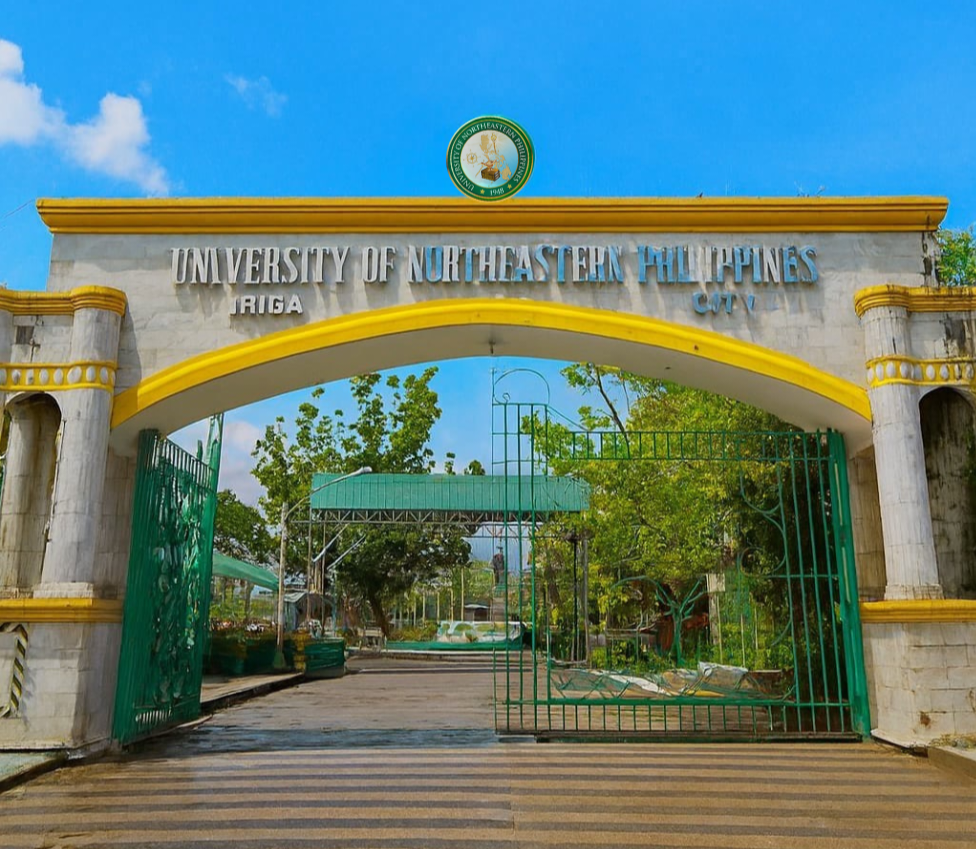
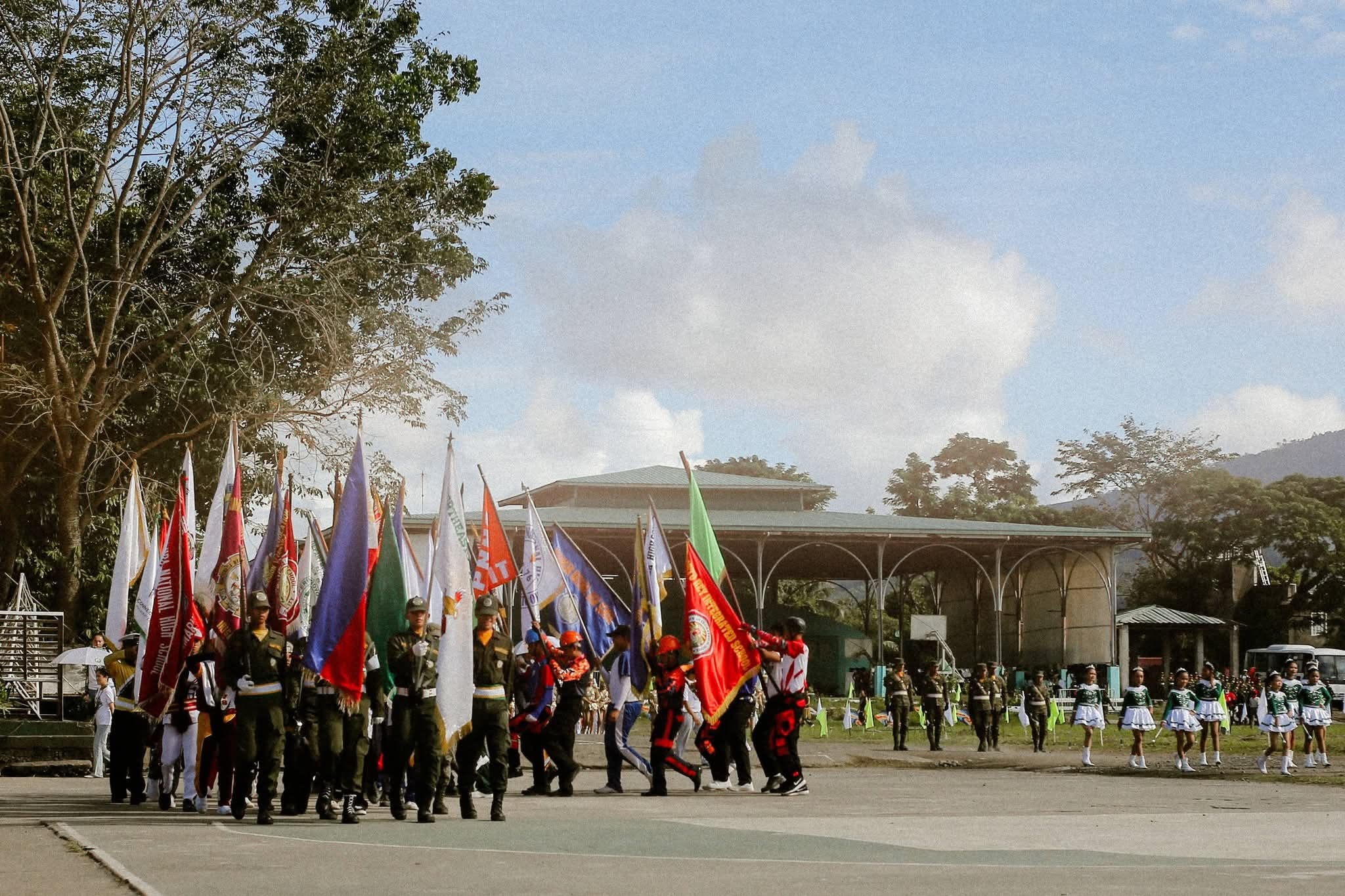
The University of Northeastern Philippines (UNEP) celebrates its 64th Army ROTC Activation Day, marking more than six decades of institutional commitment to military education, national defense preparedness, leadership development, and the cultivation of patriotism among the Filipino youth. The Army Reserve Officers' Training Corps (ROTC) Unit, of then Mabini Memorial Colleges (MMC), traces its humble beginnings on October 1, 1962, when the Armed Forces of the Philippines approved the activation of ROTC Unit as a separate unit. This milestone represented a significant achievement in the institution's history and the realization of the vision of its founder, the late Governor Felix Ordas Alfelor, Sr. — an educational institution that would extend its contribution beyond academic instruction and become an active partner in nation-building and national defense.
The historical foundation of this vision can be traced to the personal experiences of Governor Felix Ordas Alfelor, Sr. during the Second World War. Prior to the outbreak of the war in 1941, he had already established himself as a lawyer and had served as Mayor of Iriga City. He was also raising a young family with his two sons, Ciriaco and Felix Jr. However, when the Japanese invasion and subsequent occupation of the Philippines dramatically altered the circumstances of his family and the country. During this period, Alfelor became involved in the guerrilla resistance movement while continuing to practice law. As the occupation intensified, he brought his family to the mountains of Sagñay in an effort to protect them from the dangers of the war. Despite the restrictions and threats imposed by the occupying forces, the resistance movement continued to strengthen. In the months preceding the Liberation of 1945, he was arrested and imprisoned in Naga as the Japanese authorities intensified their efforts to apprehend professionals and individuals suspected of involvement in the guerrilla movement. These experiences exposed him to the realities of war, the vulnerability of civilian communities, and the consequences of inadequate national defense capabilities.
According to the recollections shared by the late Dr. Remedios R. Alfelor, the former Governor held the conviction that the Philippines could have been better protected had the country possessed a stronger military establishment. His experiences during the war reinforced his appreciation of military preparedness, national security, and the importance of developing citizens capable of contributing to the defense of the country. This conviction eventually became an integral part of his vision for the educational institution he established and led. For Alfelor, the responsibility of an educational institution extended beyond providing academic instruction and professional preparation. It also involved the formation of disciplined, responsible, and patriotic individuals who could contribute to the welfare, security, and progress of the nation.
It formally recognizes the MMC capacity to maintain an independent ROTC organization and participate in the national undertaking of developing future military reservists. The activation was not merely an administrative accomplishment; it represented the realization of the founder's aspiration to establish an institution that would contribute to the country's military preparedness and nation-building efforts. It also marked the beginning of a continuing institutional responsibility that would be carried by successive generations of administrators, military instructors, and cadets.
Following its activation, the MMC ROTC Unit assumed an important role in providing military training and leadership development among its tertiary students. The program offered Basic and Advanced ROTC components, through structured military instruction and practical training, cadets were developed in military discipline, leadership, organizational management, teamwork, and national defense preparedness. The program also provided students the understanding on the responsibilities associated with military service and their potential contribution to the Armed Forces of the Philippines Reserve Force. To sustain an effective and functional ROTC Unit, the institution has the responsibility to maintain the required minimum cadet enrollment, to ensure the availability of qualified military personnel—including active-duty military officers, enlisted personnel, and qualified reservists—to administer the Department of Military Science and Tactics (DMST), and provide an appropriate, safe, and secured armory for the storage of military training equipment, supplies, and materials. These requirements are essential to maintaining the continuity, effectiveness, and operational readiness of the university's ROTC program.
The transition into a university did not diminish the historical significance of the original activation; rather, it provided a broader institutional foundation for the continuation of the program and its objectives. Over the years, the university's ROTC Unit contributed to the development of numerous cadets who eventually pursued careers in the Armed Forces of the Philippines, the Philippine National Police, and other uniformed organizations. Several of its graduates attained distinguished positions and high-ranking responsibilities in military and public service institutions. Their accomplishments demonstrate the contribution of the university's military training program to the development of individuals who serve in various capacities within the country's security and public service sectors. These graduates formed an important part of the institution's legacy, having begun their professional journeys as ROTC cadets of then Mabini Memorial Colleges, now the University of Northeastern Philippines.

.jpg)
