
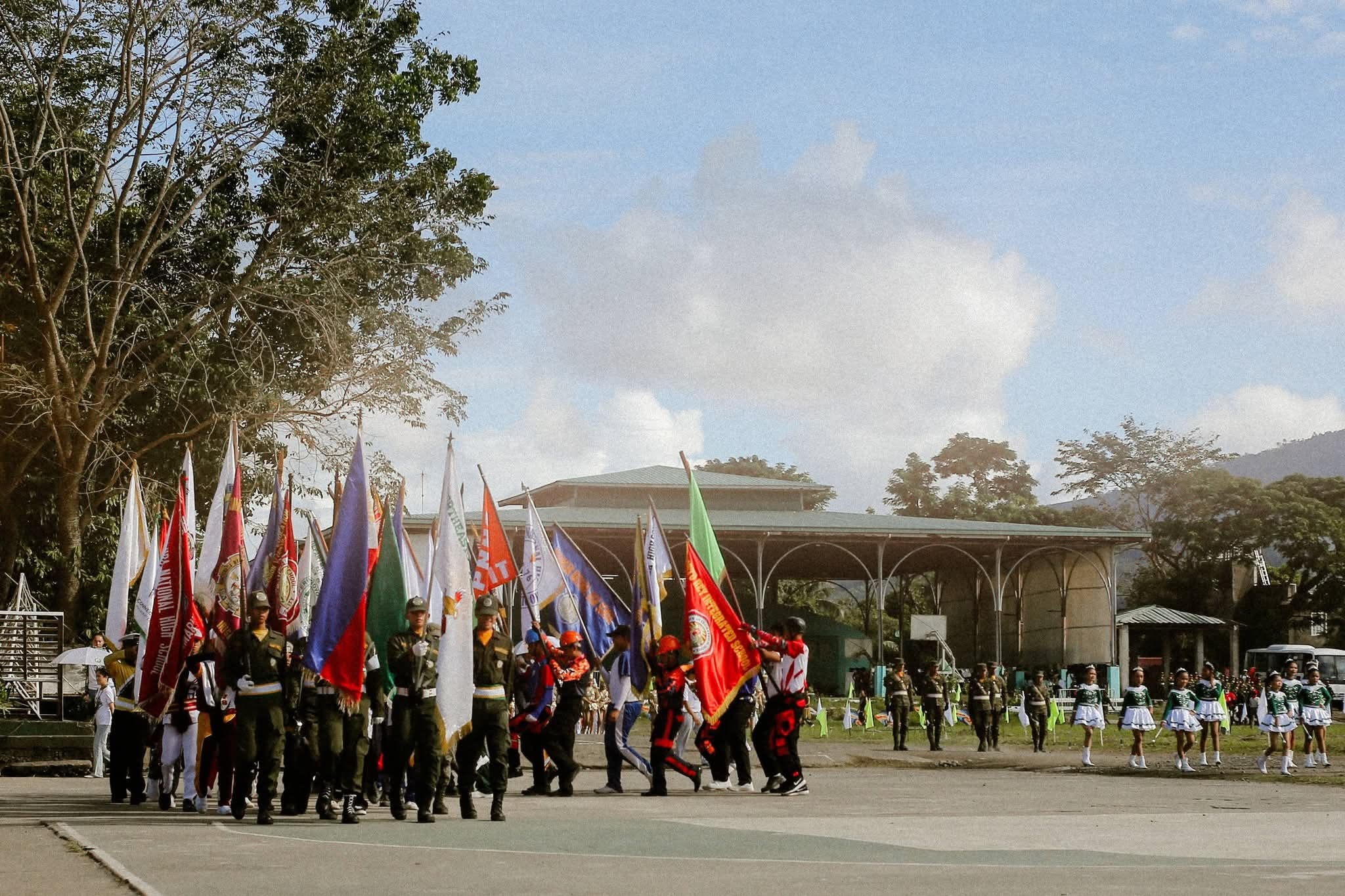
 The commemoration of the UNEP Army ROTC Activation Day into an institutional activity, extended beyond the recognition of the university's own military training program. The celebration incorporated the participation of other secondary educational institutions through military training competitions, crack platoon drills and other related activities. This initiative provided participating schools, their cadets, and their trainers an opportunity to demonstrate military proficiency, discipline, coordination, teamwork, and leadership. It also served as an avenue for recognizing excellence and encouraging greater participation among the youth in activities that promote discipline and patriotism. This expansion reflects the broader aspiration of the institution to contribute to the development of disciplined and responsible citizens beyond its own student population. By providing an avenue for young individuals to demonstrate their abilities and commitment, the university continues to extend the influence of its ROTC tradition to other educational institutions and communities.
In the present context, the relevance of the ROTC program remains significant in relation to the country's national security requirements and the broader responsibilities of citizenship. The experiences of nations such as South Korea, and Singapore illustrate different approaches to military preparedness and national defense, emphasizing the importance of an organized and prepared citizenry. In the Philippines, ROTC provides an avenue for developing young individuals who understand the importance of discipline, leadership, patriotism, and national responsibility. Beyond military instruction, the values and competencies acquired through the program may also be applied in disaster response, humanitarian assistance, community service, and other situations requiring organized action and collective responsibility. Student participation in the ROTC of the NSTP framework, the University of Northeastern Philippines contributes to the development of citizens who may be called upon to assist in addressing national and community needs, whether during internal crises, natural disasters, or circumstances involving threats to national security. In this regard, the university's contribution extends beyond the production of military reservists to the formation of citizens equipped with the values and capabilities necessary for meaningful public service.
The celebration of the 64th Army ROTC Activation Day represents more than the commemoration of an institutional anniversary. It recognizes a significant chapter in the university's history and the fulfillment of a vision founded on the principles of national service, military preparedness, and educational responsibility. It honors the historical contribution of the late Governor Felix Ordas Alfelor, Sr., whose experiences during the Second World War helped shape his aspiration for an institution that would serve as a partner of the Armed Forces of the Philippines in developing future reservists. It also recognizes the dedication of successive university administrators, military instructors, training personnel, and generations of cadets who have contributed to the continuity and development of the program. Every successful training cycle, every cadet who completes the program, and every graduate who enters military or public service represents a continuation of the institutional commitment established more than six decades ago.
As the University of Northeastern Philippines creates a festive event on the 64th year of activation of its Army ROTC Unit's activation, the institution reaffirms its commitment to preserving and strengthening this historical legacy. The continued implementation of the program reflects the university's recognition that education must encompass not only intellectual and professional development but also the cultivation of discipline, leadership, civic responsibility, and patriotism. The vision established during the time of Mabini Memorial Colleges continues through the present university and its succeeding generations of cadets. More than six decades after its activation, the UNEP Army ROTC Unit remains a testament to the enduring partnership between educational institutions and the Armed Forces of the Philippines in preparing citizens for the responsibilities of national service. Its history is not simply a record of military training and institutional development, but a continuing account of vision, commitment, and dedication to the Filipino people. As the tradition moves forward, the university remains steadfast in its aspiration to produce disciplined citizens, capable reservists, and future leaders who recognize that the defense and development of the nation are shared responsibilities of every Filipino.
Photos| UNEP Hs Department
.jpg)
